
About the Hays County District Clerk
Amanda K. Calvert is the Hays County District Clerk. The office provides records of district court proceedings, carries out district court decisions, and supports the district court judges and staff. The District Clerk page lists the office at Suite 2211 of the Government Center, with a lobby open Monday through Friday from 8:00 a.m. to 4:00 p.m., and staff available by phone and email from 8:00 a.m. to 5:00 p.m. Quick links cover juror information, electronic filing, copy requests, court costs and fees, the child support registry, online forms, compliance and collections, expunctions, the monthly appointment and fees report, and nondisclosure forms.
Hays County District Clerk
Clerk: Amanda K. Calvert
Suite 2211, 712 S. Stagecoach Trail
San Marcos, TX 78666
512-393-7660
distclerk@hayscountytx.gov
Lobby Mon-Fri 8:00 a.m. to 4:00 p.m.
Phone/email Mon-Fri 8:00 a.m. to 5:00 p.m.
What the Hays County District Clerk Handles
The District Clerk keeps the records of every case filed in the district courts. That includes felony criminal cases, divorces and other family-law matters, and civil cases above the County Court at Law civil limits. Texas Family Code Chapter 6 controls divorce procedure, so divorce filings move through this office, not the County Clerk.
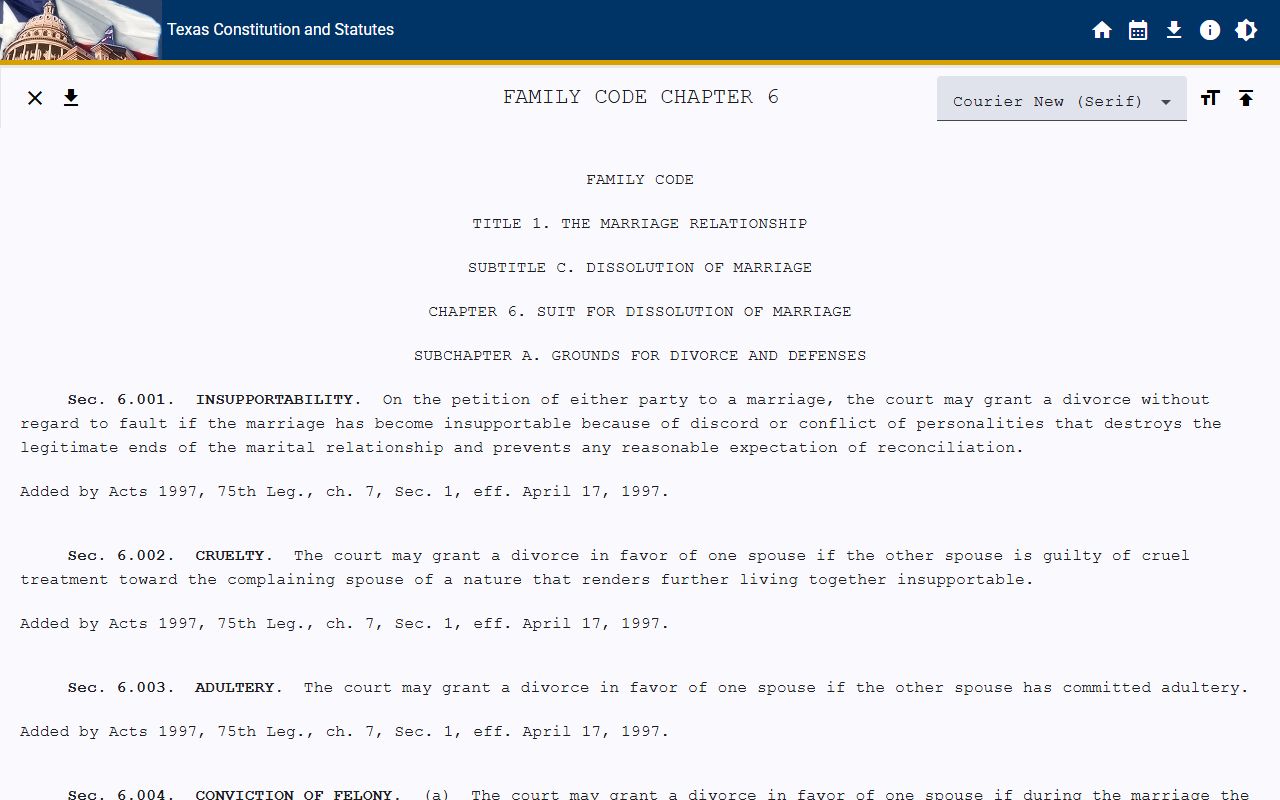
You can read the statute at Texas Family Code Chapter 6. Day-to-day office duties include:
- Receiving and filing district court pleadings
- Issuing process such as citations and writs
- Managing juror summons and qualification
- Handling the child support registry for district family cases
- Processing expunctions and nondisclosure orders signed by a district judge
- Producing certified copies on request
How to Request a Certified Copy
A certified copy carries a clerk's signature and an embossed seal. Banks, courts, agencies, and many private institutions require a certified copy for legal use. The District Clerk takes copy requests by mail or by an email-quote workflow. The office mails or emails the result, usually within 24 hours after payment confirmation, and mails copies within two working days.
- Identify the case by cause number, party names, and case type.
- Email distclerk@hayscountytx.gov with the request, or mail a written request to Suite 2211, 712 S. Stagecoach Trail, San Marcos, TX 78666.
- Wait for an emailed fee quote from the office.
- Pay by credit card on Certified Payments using bureau code 5779509, in advance.
- Receive the document by email, by mail, or in person.
Payment is required before any search or copy work is started. Out-of-state requesters use the same email and certified payments path; there is no separate process for non-Texas requesters.
For high-volume orders, share the full set of cause numbers and document names in one email rather than several short ones. The office can process a clean batch faster than several follow-ups. If the document is older than 10 years, mention that in the request, since the staff search fee is bounded by the 10-year window and older records may need a separate look.
Hays County District Clerk Records Request Fields
A complete request avoids back-and-forth. Texas does not require a single form, but the items below should appear in every records request to the District Clerk.
| Field | Required | Notes |
|---|---|---|
| Requestor name | Yes | Used for the fee quote and the response |
| Contact email or phone | Yes | How the office sends the quote and result |
| Cause / case number | If known | Speeds the search; not required if you have parties and dates |
| Party names | Yes | Last and first names of both sides |
| Case type | Helpful | Felony, family, divorce, or district civil |
| Date range | Helpful | Narrows a 10-year staff search |
| Document type | Yes for a copy | Petition, order, decree, judgment, or other |
| Number of copies | Yes for a copy | Multiply by per-page fee |
| Plain or certified | Yes for a copy | Certified carries an extra per-page and seal fee |
Hays County District Clerk Fees
Fees are posted on the District Clerk page and apply to both staff search work and copy production. The free public portal does not charge for a name search, but staff time and copies do carry per-page costs.
| Item | Amount |
|---|---|
| Free name search in the public portal | $0.00 |
| District Clerk name search by staff (10 years) | $5.00 per name |
| Electronic copy of a case document, first 10 pages | $1.00 |
| Electronic copy of a case document, each added page | $0.10 |
| Certified copy per page | $1.00 |
| Embossed seal | $5.00 |
Note: Allow five business days for a District Clerk staff search; copies and certified copies are mailed within two working days after payment confirmation.
Standard filing fees in district court are set under state law and can vary by case type. The District Clerk page links its court costs and fees information, where the current schedule for each filing fee, jury fee, and service fee can be checked before a pleading is filed.
Expunctions and Orders of Nondisclosure
The Hays County District Clerk handles district-level expunction and nondisclosure paperwork. An expunction under Texas Code of Criminal Procedure Chapter 55 can destroy eligible records and let a person deny that the arrest happened. An order of nondisclosure under Texas Government Code Chapter 411 restricts public disclosure of eligible criminal history.
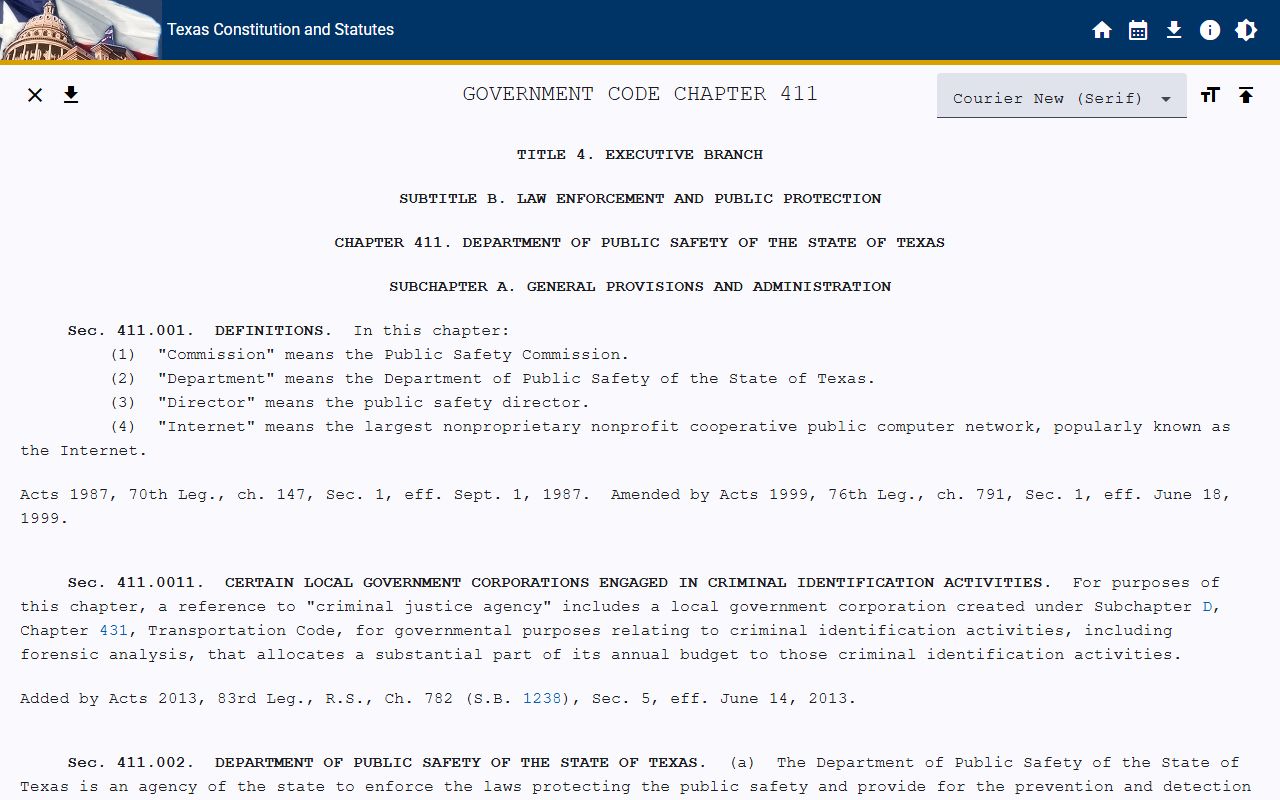
The nondisclosure framework is at Texas Government Code Chapter 411. Eligibility is technical, and the State Law Library publishes a plain-language guide to expunctions and nondisclosure for the public.
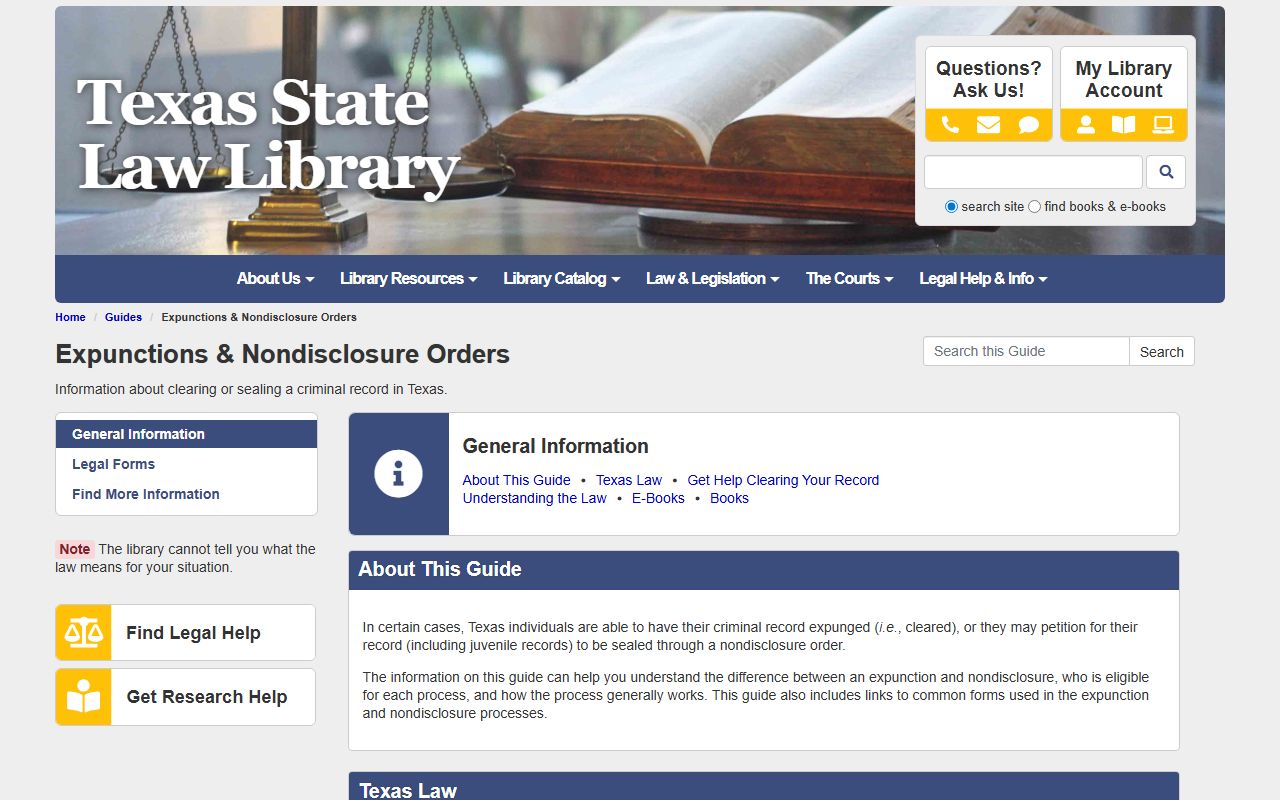
You can read it at the State Law Library guide. The District Clerk page links its own expunction and nondisclosure forms. Many filers consult a lawyer or a legal aid group before filing, since an ineligible filing can be denied for procedural reasons.
How to Search Hays County District Clerk Records
Free name searches run through Hays County Odyssey Public Access. The public search returns parties, cause number, case type, filing date, case summary, and, when it applies, the bond company and disposition date. In-office public terminals also sit in the District Clerk reception area and are open during regular business hours.
For older or hard-to-find cases, the District Clerk will run a staff search of civil and criminal records for the past 10 years. The fee is $5.00 per name, and staff ask filers to allow five business days. Payment comes first, and the office sends the search certificate or result by email or mail. For a deeper walkthrough of the Odyssey portal, see the Hays County court records page.
Juror Service and Family Law Programs
The District Clerk page also covers juror service and family-law support that often confuse first-time users. Juror information sits in the office quick links, including how to respond to a summons and how to claim an exemption. The child support registry, also linked from the page, supports payment processing in Hays County family cases. The District Clerk runs these alongside the daily court records function, so a single phone call to 512-393-7660 reaches the right team for most district court questions.
Self-help users will see additional quick links such as occupational driver's license filings, online forms, the monthly appointment and fees report, and compliance and collections. Each of these links to a separate workflow on the County site, so people unsure where to start can read the District Clerk page and follow the matching link.
eFiling Through eFileTexas
New filings in Hays County district courts must, in most cases, be submitted through eFileTexas. Attorneys are required to use the system, and self-represented parties may use it as well. The District Clerk page links the system from its quick links. Pleadings filed through eFileTexas are routed to the District Clerk for acceptance and case assignment. The Hays County Law Library helps the public with e-filing access and form drafting at no cost.
eFiling does not change the courtroom rules. A filing accepted by the clerk still must follow local rules and standing orders for the assigned court. Indigent filers can submit a Statement of Inability to Afford Payment in place of a filing fee, and the District Clerk forwards that to the court for review. The same statement applies to certified copy fees for parties of record.